Digital vs Analog Two-Way Radios: Which Should You Choose?
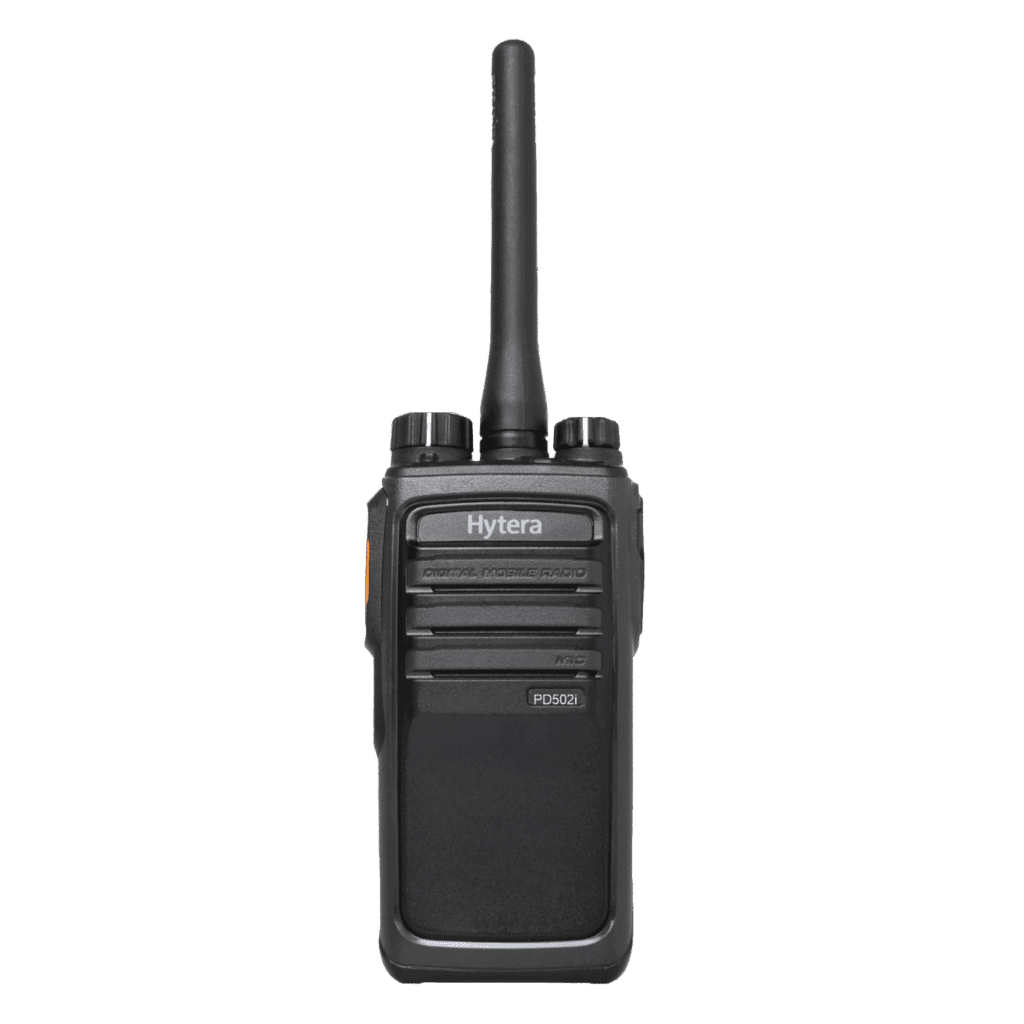
When you start shopping for two-way radios, you will quickly see the terms analog and digital. Both types let people talk instantly over a radio channel, but they handle the signal differently, and that affects audio, features and the cost of building a system.
This guide gives a general comparison. For help matching radios to your work, see choosing the right radio, and browse our two-way radios page for the models we supply.
How the two types differ
- Analog radios send voice as a continuous signal. They are straightforward to use and have a long history in the field.
- Digital radios convert voice into a digital signal. Many digital systems offer features that analog radios do not, such as more efficient use of channels and additional data options, depending on the model and system.
Because features vary by brand and model, compare the specific radios you are considering rather than assuming all digital or all analog radios work the same way.
When analog may suit you
- You have a small team with simple, voice-only needs.
- Your existing radios and infrastructure are analog, and replacing them is not yet a priority.
- You want a simple radio that staff can pick up with minimal training.
When digital may suit you
- You have a larger team or several groups that need to be separated clearly.
- You want features such as data options or more channel capacity.
- You plan to grow your system and want a platform that can expand.
- You want to compare options for systems that support both voice and data, such as the ones covered in our PoC radios comparison.
Things to compare on any radio
- Audio clarity in your work environment, including noise.
- Durability for dust, moisture and drops.
- Battery life for a full shift and how batteries are charged.
- Programming and how easily you can change channels or groups.
- Compatibility with radios you already own, if you are mixing old and new equipment.
If you are not sure whether a handheld or a vehicle-mounted radio suits a role, see the difference between mobile and portable radios.
Check the requirements for your use
Some industries have rules about radio equipment, licensing or channel use. We cannot give regulatory advice. Confirm any licensing or equipment requirements for your operation with the relevant authority before you buy.
Not sure which type fits your team? Contact Metro Mobile in Langley or call (604) 888-5100. Tell us how your team works and we will recommend options from our range.