Does Your Building Need In-Building Emergency Radio Coverage?
Radio signals do not always travel well indoors. Thick concrete, steel framing, underground parking levels and long corridors can all block or weaken a signal. For most people this is an inconvenience. For a building's staff, security team or emergency responders, a dead spot in a stairwell or basement can be a real problem.
If you manage a building, or you are responsible for its emergency plan, it helps to know whether coverage is a concern before you need it. This guide walks through the warning signs and the questions to ask. For the wider picture on why communication matters, read why every store needs an emergency communication plan.
Signs your building may have a coverage gap
Walk the building with a radio and watch for these common signs:
- Radios work well outdoors or near windows but drop out in the core of the building.
- Stairwells, basements, elevator areas or parking levels have dead spots.
- Staff have stopped using radios indoors because they are unreliable.
- The building has been extended, renovated or re-clad with new materials since it was built.
- Many people gather in one large area, such as a lobby, gym, arena or open-plan floor.
A few dead spots do not always mean the building needs a system, but they are a good reason to get a proper assessment.
How in-building systems help
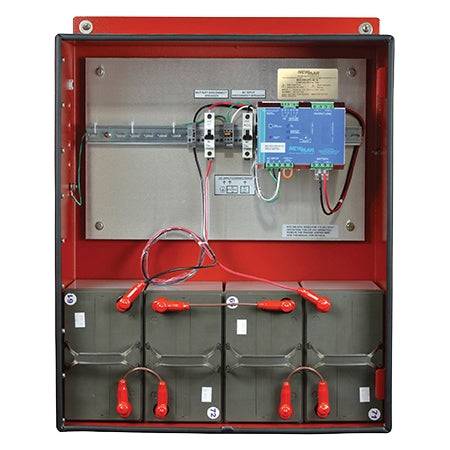
In-building coverage is usually provided by a bi-directional amplifier (BDA) or a distributed antenna system (DAS). In general terms, the system picks up a signal, boosts it and spreads it through the building with antennas placed where people need it. Our overview of what a BDA is explains the basics.
Metro Mobile supplies and installs BDA and DAS equipment from brands including Comba, Potter, Newmar, SureCall and WilsonPro. The right design depends on the building layout, the radios in use and the signal available outside, so each project starts with a site review rather than a standard package.
Questions to ask before you commit
- Which areas of the building must have radio coverage, and which are simply nice to have?
- Which radios and frequencies do your staff and responders use?
- Who will own, test and maintain the system after installation?
- Has the building's emergency plan been updated to include radio communication?
- Do the building's owners, tenants and insurer know what is planned?
Confirm requirements with the right authorities
Whether a building must have in-building radio coverage depends on its type, its occupancy and the rules that apply where it stands. We cannot tell you what your local rules require. Confirm the requirements with your local building authority, fire department and insurer before you make decisions. Where E-Comm is involved, its requirements for radio testing also apply.
Our E-Comm / 911 page explains the in-building systems we work on. If you want to know what the testing process looks like, read E-Comm radio testing for BDA/DAS buildings: what to expect.
Not sure whether your building needs coverage? Contact Metro Mobile in Langley or call (604) 888-5100. We will look at your building and tell you what we see.