E-Comm Radio Testing for BDA/DAS Buildings: What to Expect
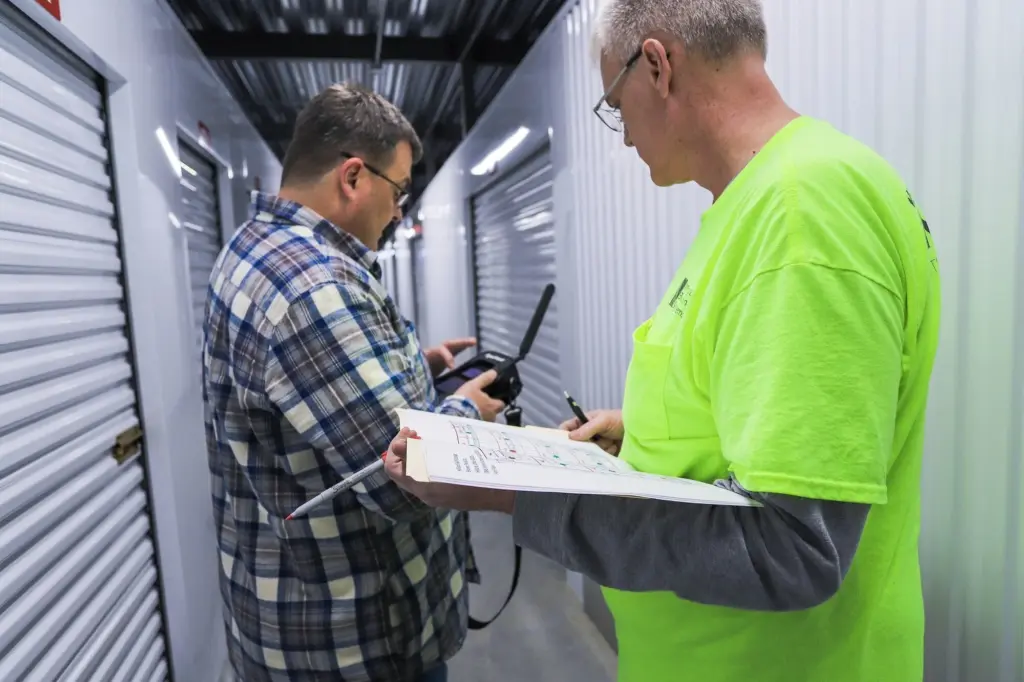
Installing a bi-directional amplifier (BDA) or distributed antenna system (DAS) in a building is only part of the job. The system also has to be tested with the radios it is meant to support. That testing is where you find out whether coverage reaches the areas that matter most.
This article gives a general overview of E-Comm radio testing for BDA and DAS buildings, so you know what to plan for. It is not a substitute for the testing requirements that apply to your building. Our E-Comm / 911 page describes the systems we install and test.
Before the testing day
Good preparation saves time. Before testing begins, make sure you have:
- A current floor plan that shows the building's layout, stairwells and mechanical rooms.
- A list of the radios that will be used and who is carrying them.
- Access arranged for every floor, parking level and mechanical room that will be tested.
- A named contact who can make decisions and sign off on results.
- Confirmation from E-Comm and the local authority about who must attend and what they need to see.
If you are still deciding whether your building needs a system at all, read does your building need in-building emergency radio coverage? first.
What the testing involves
In general terms, radio testing checks signal strength and clarity in the areas that must be covered. Testers walk the building with radios, usually in a set pattern, and record how well communication works in each area. Problem spots are noted so they can be corrected and tested again.
Where a system needs adjustment, the installer makes changes to antenna placement, cabling or signal levels, then repeats the relevant tests. Expect this to be an iterative process rather than a single pass.
Records to keep
Testing is only useful if it is documented. Keep copies of the following with your building records:
- The test plan and the areas it covered.
- The results for each area, including any retests.
- Equipment details and as-built drawings from the installer.
- Written sign-off from the people or authorities who witnessed the test.
These records help if the system is inspected later, and they give the next maintenance team a clear starting point.
Who to involve
- Building owner or manager: access, scheduling and sign-off.
- E-Comm and the local authority: their requirements for testing and witnessing. Confirm these directly.
- Your insurer: to confirm what documentation they expect.
- Your radio supplier: to confirm which radios and programming the test should use.
Ongoing checks
Coverage can change after renovations, new fit-outs or changes to the surrounding area. Plan periodic checks, and retest after any work that could affect the system. Our team can help with installation and repairs when a system needs attention.
For questions about E-Comm radio testing or BDA and DAS systems, contact Metro Mobile in Langley or call (604) 888-5100. You can also email ecomm@metro-mobile.com about E-Comm matters.