How Dashcam Footage Supports Driver Coaching
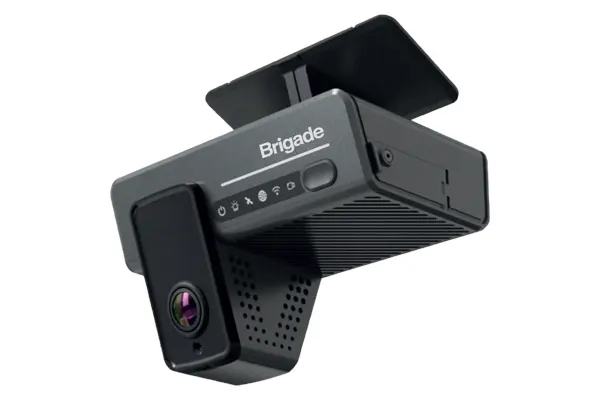
Most fleet managers install dashcams to answer one question: what happened? Footage can answer that after an incident. It can also help with something more useful day to day, which is coaching drivers on the habits that make the road safer.
Coaching works best when it is specific, timely and fair. A dashcam gives you the material to make it so. For help choosing a unit, read how to choose a fleet dashcam.
What coaching with footage looks like
Coaching is a conversation, not a punishment. Footage helps because both the manager and the driver can see the same moment, rather than relying on memory. A typical session might focus on one or two clips, discuss what the driver saw and what they could do differently, and agree on a practical next step.
Many dashcam systems include AI alerts that flag events such as forward collision risk, lane departure, distraction or fatigue. Alerts help a manager find the moments worth reviewing, so they do not need to watch every minute of video.
Using footage well
- Review on a regular schedule, not only after a problem. Consistent review feels fair to drivers.
- Focus on patterns. One alert may be a bad moment. Repeated alerts point to a habit worth addressing.
- Recognize good driving. Showing a driver a clip where they handled a hazard well builds trust and reinforces the behaviour you want.
- Keep notes. A short record of what was reviewed and what was agreed helps you track progress.
- Use the same standard for every driver. Coaching that feels selective will be resented.
Pairing footage with tracking
Footage shows what happened in a clip, while tracking shows where the vehicle was and how it moved. Together they give a fuller picture. Geotab GO Focus Plus is designed to work with MyGeotab telematics, so a manager can review both in one place. Our fleet tracking page describes the tracking options we supply.
Drivers need to know the rules
Drivers should understand what is recorded, when footage is reviewed, who can see it and how long it is kept. Put that in a written policy and share it before the cameras go in. Our guide to backup cameras vs dashcams also covers how different camera types can be used together.
Whether and how footage can be used for coaching, discipline or claims depends on your policies, your workplace obligations and the rules where you operate. We cannot advise on those obligations. Check with your insurer and the relevant authorities before you set your process.
A simple way to start
- Pick one or two behaviours to focus on first, such as following distance or distraction.
- Review a small set of alerts each week and talk through them with the drivers involved.
- Adjust the process after the first month based on what drivers and managers find useful.
Want to talk through a dashcam setup for your fleet? Contact Metro Mobile in Langley or call (604) 888-5100 and we will help you match the system to your coaching goals.